At a glance

As part of the modernization of its heat treatment department, Allison Transmission required an extraction solution for five new Ipsen furnaces, two tempering furnaces, a washing installation, generators and a cooling zone. The system needed to handle large volumes of heat and oil fumes, comply with stringent safety standards and maintain a stable air balance under all operating conditions.

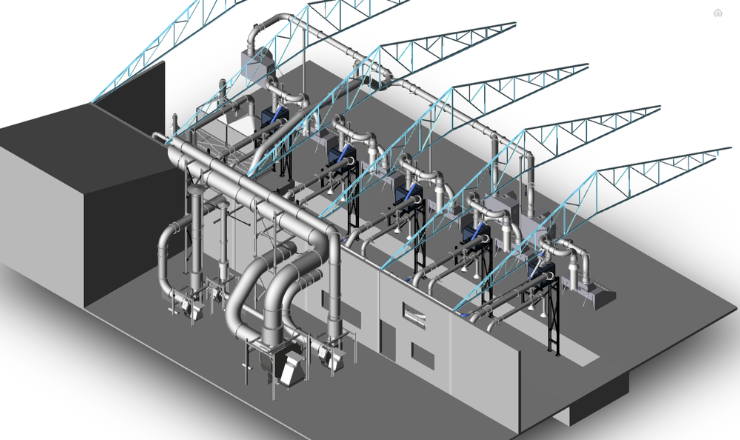
Lybover AIR analysed all possible operating scenarios and developed an extraction concept capable of delivering reliable performance in every situation. Thanks to 3D scanning, the entire installation could be accurately designed within the existing production environment.

The new extraction system was equipped with an integrated ProBox for fire protection and vibration sensors for fan condition monitoring. The works were carried out in phases, allowing production to remain fully operational throughout the entire project.
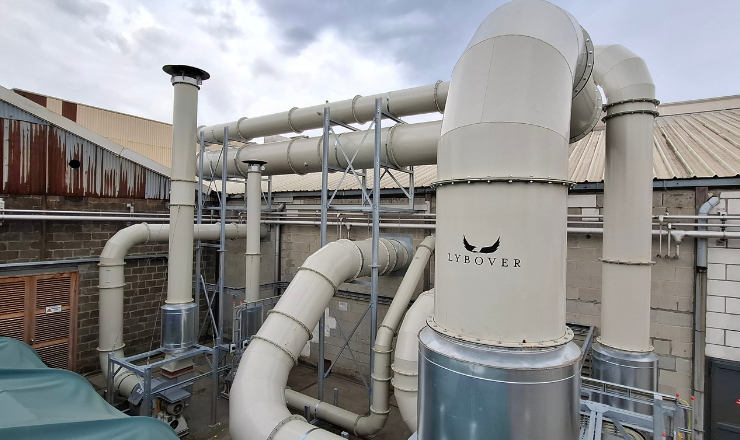
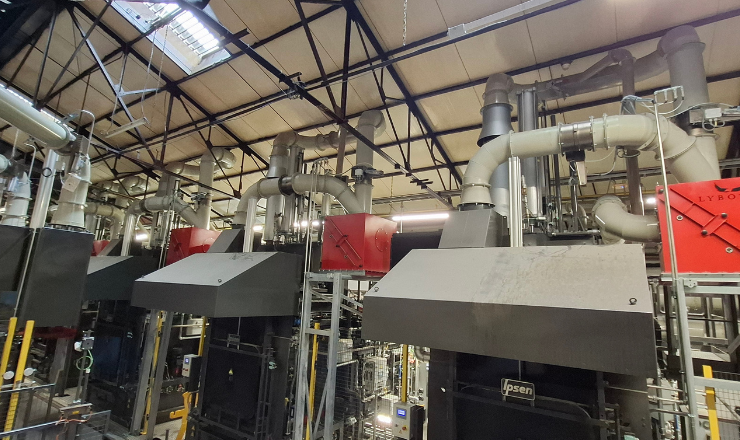
As part of the modernization of its heat treatment facility in Belgium, Allison Transmission invested in five new Ipsen furnaces supported by a high-performance extraction system. Lybover AIR was responsible for the engineering and implementation of the new extraction system. The system is capable of withstanding high temperatures, fully compliant with the latest regulations and insurance requirements, and designed to maintain a stable air balance under all operating conditions.
A Challenging Combination of Heat, Fumes and Safety
Within the heat treatment facility, transmission components such as gears are exposed to temperatures of up to 950°C. Following the heating process, the components are immediately quenched in an oil bath to achieve the required hardness and material properties.
This process generates significant amounts of heat and oil fumes. Without an appropriate extraction system, these fumes can accumulate within the installation, increasing the risk of contamination, fire and process disruptions.
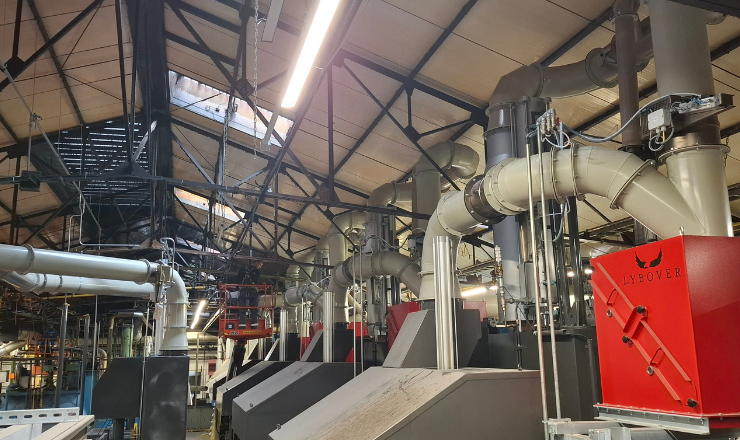
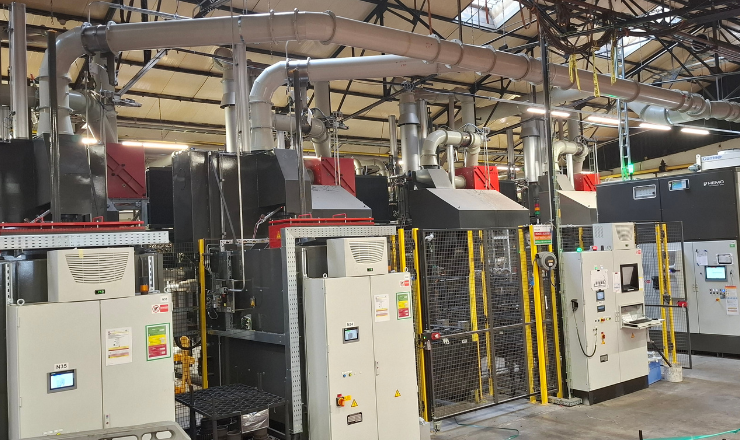
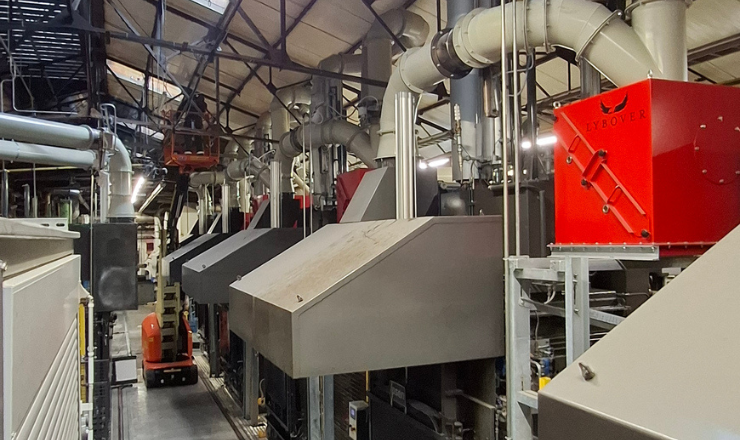
In addition to the five heat treatment furnaces, the project also included extraction systems for two tempering furnaces, an industrial washing installation, endogas generators and a cooling area. Together, these installations form one integrated production process, with each process step imposing specific air-handling requirements.
Furthermore, the five furnaces operate completely independently of one another. The required airflow rates vary depending on factors such as burner status, quench bath operation and furnace door position. This results in a large number of potential operating scenarios, each affecting the air balance of the installation.
Thorough Engineering as the Foundation
To develop a reliable solution, Lybover AIR thoroughly mapped and analysed all possible operating conditions. Each scenario was evaluated and calculated to ensure the extraction system performs correctly under all circumstances.
Using extensive 3D scanning of the existing facility, the engineering team created a complete digital model of the installation. This enabled accurate integration of the new infrastructure within the existing production environment and significantly reduced execution time during implementation.
Particular attention was paid to installation safety. Under certain conditions, extracted oil fumes can become flammable. To address this risk, the system was equipped with an integrated ProBox, a flame barrier that prevents flame fronts from propagating through the ductwork towards the furnaces or other parts of the installation.
Maintenance was also given special consideration. The fans were fitted with vibration sensors that detect imbalance during operation. This future-oriented approach increases system availability while supporting both preventive and predictive maintenance strategies. By detecting deviations at an early stage, unplanned downtime and corrective interventions can be minimized.
In addition, the air-handling concept was specifically designed to withstand high process temperatures while complying with current regulatory requirements.
Phased Implementation Without Impact on Production
Because the existing heat treatment department had to remain operational, the project was executed in two consecutive phases. While parts of the new installation were being constructed, the existing infrastructure remained fully in use.
This phased approach ensured uninterrupted production and allowed Allison Transmission to transition to the new installation in a controlled manner.
Future-Proof Solution for Critical Processes
With the new extraction system, Allison Transmission now benefits from a safe, compliant and robust solution for its heat treatment operations.
By combining advanced engineering, detailed 3D scanning, phased implementation and intelligent monitoring, Lybover AIR successfully delivered a complex installation that fully meets the stringent quality and safety requirements associated with the production of transmission components.